


Why Verifying Hearing Aid Benefits Too Early Can Create Workflow Problems
Medicare Advantage hearing benefits have created new challenges for audiology practices. A patient who contacts your clinic for a hearing evaluation may require a different workflow than a patient referred through a third-party administrator (TPA). Learn why verifying the right benefit at the right time helps protect diagnostic billing, documentation, and patient expectations.
Why Verifying Hearing Aid Benefits Too Early Can Create Workflow Problems
Medicare Advantage hearing benefits have created new challenges for audiology practices. A patient who contacts your clinic for a hearing evaluation may require a different workflow than a patient referred through a third-party administrator (TPA). Learn why verifying the right benefit at the right time helps protect diagnostic billing, documentation, and patient expectations.
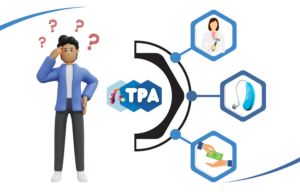
Easily Explain Hearing Aid TPAs to Patients
Confusion around hearing aid TPAs can lead to frustrated patients, unclear expectations, and difficult conversations. Learn how to explain the relationship between insurance companies, third-party administrators, and hearing care providers while building trust through transparency.

3 Mistakes to Avoid When Switching Audiology OMS Platforms
Switching audiology software isn’t the hard part—getting it to actually work is. Learn the 3 most common mistakes practices make when transitioning OMS platforms and how to avoid workflow breakdowns, billing issues, and missed revenue.