
Workflow & Operations Design for Independent Audiology Practices

We design and configure audiology workflows with 2026 CPT-aligned billing logic inside your practice management software—so your operations run consistently and revenue is captured correctly.

Most practices don’t have a software problem.
They have a systems problem.

When operations are reactive, the breakdown is rarely “one big issue.” It’s a pattern:

  • Billing depends on who is working that day
  • Insurance verification is inconsistent
  • Appointment types are unclear or redundant
  • Providers document differently
  • Service revenue is undercaptured
  • You are the default decision-maker for daily operational issues
  • Your software feels underutilized or misconfigured

This is not an effort problem. It’s a structural design problem.

We fix it by designing an audiology workflow system using your current OMS that your staff can follow—backed by billing logic your software can enforce.

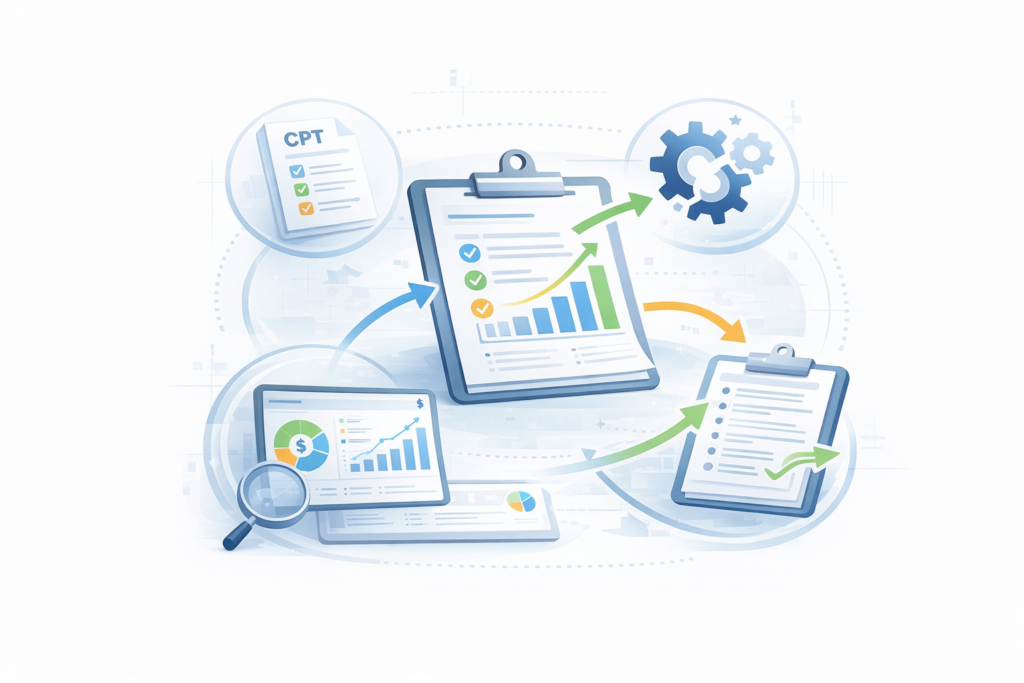
Modern hearing practices are interconnected operating systems.

Audiology workflow design connecting billing, operations, and practice management systems

Most advisors address individual areas one at a time. HearShield Pro analyzes how they interact, where they break, and what structure must be built to support reliable execution.

what we do

Workflow & Visit Architecture

We map intake → visit → billing and build a clean appointment taxonomy, staff SOPs, and provider-facing visit structure.

Outcome: predictable execution across staff and providers.

CPT & Revenue Logic Implementation

We translate CPT requirements into documentation, superbill structure, and billing behavior—so the practice captures revenue correctly without creating provider friction.

Learn what’s changing with 2026 CPT codes →

Outcome: fewer billing errors, better service revenue capture.

OMS Configuration & Automation

We configure your practice management system to support your audiology workflow-templates, dashboards, automation triggers, and reporting.

Outcome: your software supports your practice instead of fighting it.

why this is different

This is systems architecture.

We don’t sell software. We create structure—workflow design, CPT-aligned billing logic, and enforceable rules—inside your existing practice environment so execution becomes consistent.


No platform switch required
No revenue share incentives
No manufacturer alignment
No templates dropped in and forgotten
Everything installed inside your existing environment
No surface-level strategy decks

The goal is internal self-sufficiency—your team runs correctly without constant owner oversight.

engagement criteria

This is structured systems implementation. It is designed for owners who want their practice to run correctly without constant oversight.

This is a fit if you are:

  • An independent audiology practice owner (or the operational decision-maker)

  • Experiencing operational strain (workflow inconsistency, staff overload, owner bottlenecks)

  • Seeing billing variability or under-captured service revenue

  • Using (or migrating to) a practice management system and need it configured to match your workflows

  • Preparing to add providers, expand locations, or scale capacity

  • Interested in 2026 CPT-aligned workflow and billing structure implemented in a practical way

Phased Implementation

We design and implement workflows in a deliberate sequence, each layer building on the last.

Phase 0

Stabilize

Reduce immediate operational strain and stop preventable revenue leakage. This is where consistency starts and daily chaos decreases.

Outcome: fewer fires, clearer workflow, and quick revenue protection wins.

Phase 1

Workflow Foundation

Design and configure intake → visit → billing workflows your staff can follow and your OMS can enforce without constant escalation.

Outcome: standardized execution across staff, providers, and locations.

Phase 2

Revenue Logic

Implement 2026 CPT-aligned documentation and billing logic—superbill structure, service rules, and reporting that supports defensible revenue.

Outcome: cleaner billing behavior, fewer misses, and predictable service capture.

Phase 3

Scale & Protect

Install automation, dashboards, and decision rules that keep the practice running correctly as you grow—without owner bottlenecks returning.

Outcome: operational control transfers to your team with visibility and guardrails.

```

operational shift

Operational Shift

From reactive operations to a practice your team can run consistently

Before

Execution depends on individual people

  • Billing varies by provider
  • Insurance verification depends on who answers the phone
  • Appointment types multiply and lose clarity
  • Documentation patterns are inconsistent
  • Service revenue is under-captured
  • The owner becomes the daily escalation point
After

The system guides consistent execution

  • Standardized documentation structure
  • CPT-aligned billing logic embedded in workflows
  • Appointment taxonomy enforced inside your OMS
  • Revenue captured more predictably
  • Clear operational guardrails
  • The owner exits routine operational decisions

This is not a motivational change. It is a structural redesign of how your practice executes.

Install structure before you add complexity

If your practice is growing but execution is inconsistent, the fix is not more effort. It’s a workflow system your team can follow—backed by CPT-aligned billing logic your software can enforce.

  • Clarify what is breaking and why
  • Define the sequence to stabilize execution
  • Identify immediate revenue leakage and workflow friction
What you get
Operational clarity
A clean map of intake → visit → billing, and where execution breaks.
CPT-aligned structure
Documentation and billing logic designed for defensible revenue capture.
Installable systems
Rules, templates, and workflows placed where your staff actually works.

ABOUT HEARSHIELD PRO

HearShield Pro was founded by Kellye Davidson, MHA, an independent audiology business strategist dedicated to helping private practices navigate an increasingly complex healthcare landscape.

Kellye’s background spans:

  • healthcare administration
  • audiology clinic operations
  • manufacturer relationships
  • OMS/EHR systems

giving her a rare cross-sectional view of how the industry actually functions.

After earning her Master’s in Healthcare Administration, she transitioned into audiology, where has she worked closely with independent practices, manufacturers, and office management software platforms.

This experience exposed the operational, financial, and reimbursement challenges clinics face every day.

Through that work, Kellye saw a consistent pattern: independent practices often lacked clear operational guidance while navigating complex payer structures, billing workflows, and technology systems.

HearShield Pro was created to change that.

The platform and advisory approach focus on operational intelligence for audiology practices—helping clinics understand their revenue systems, make informed payer decisions, optimize workflows, and protect long-term independence.

At its core, HearShield Pro exists for one purpose:

to help independent audiology practices build sustainable, profitable businesses without sacrificing autonomy.

Plan-Level Visibility Before the Appointment

Learn more about Medicare Advantage hearing aid benefit lookup.

HearShield Pro helps your team identify TPA involvement, benefit structure, copay ranges, and frequency limitations before the patient arrives.

🔎
Identify TPA Involvement
💵
See Benefit and Copay Details
Decide How to Handle the Patient
Start Your Free Trial →

Start with a free trial. After the trial, HearShield Pro is $249 per month.
Cancel anytime. No long-term commitment.

HearShield Pro provides plan-level Medicare Advantage hearing aid benefit information. It is not insurance verification and does not confirm live eligibility, authorization, or claim-level coverage.

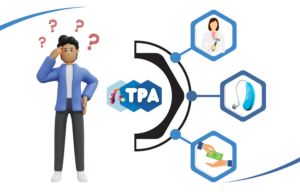
image depicting 2 patient pathways for appointment- hearing aid or diagnostic

Why Verifying Hearing Aid Benefits Too Early Can Create Workflow Problems

Medicare Advantage hearing benefits have created new challenges for audiology practices. A patient who contacts your clinic for a hearing evaluation may require a different workflow than a patient referred through a third-party administrator (TPA). Learn why verifying the right benefit at the right time helps protect diagnostic billing, documentation, and patient expectations.
Read More »
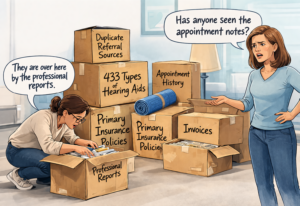
learning how to explain to a patient what a TPA is for hearing aids

Easily Explain Hearing Aid TPAs to Patients

Confusion around hearing aid TPAs can lead to frustrated patients, unclear expectations, and difficult conversations. Learn how to explain the relationship between insurance companies, third-party administrators, and hearing care providers while building trust through transparency.
Read More »