


Because the right Audiology OMS setup today is the difference between reactive and strategic tomorrow.
Every hearing practice relies on data — revenue, conversion rates, referral sources, payer mix, return trends.
But meaningful data doesn’t start with reports; it starts with structure.
The way your Office Management System (OMS) is configured determines what you can measure, what you can’t, and how confidently you can make business decisions.
If your setup is rushed, generic, or borrowed from someone else’s clinic, the numbers you see later will tell an incomplete — and sometimes misleading — story.
The Foundation Shapes the Future
Your OMS isn’t just digital paperwork; it’s the framework for every operational process: scheduling, charting, billing, reporting, and analytics.
Each field, dropdown, and tag has long-term consequences for how your data behaves. For example:
If line items aren’t properly tied to CPT codes, your revenue reporting will never align with reimbursement patterns.
If appointments aren’t linked to chart notes, you can’t evaluate visit efficiency or provider productivity.
If you aren’t tracking every service you provide, including free of charge, how do you determine the value of your service plans?
If referral sources aren’t tracked consistently, marketing performance is impossible to measure.
Your setup defines your truth. And once inaccurate data begins flowing through your system, it becomes exponentially harder to fix.
Build Around Your Business — Not Someone Else’s
Every clinic has its own identity. A family-owned practice serving retirees on Medicare Advantage plans has different data needs than an urban diagnostic center focused on ENT referrals.
Yet, many new clinics skip the planning stage and accept default templates or copy a colleague’s setup “to save time.” The result? Misaligned categories, duplicated codes, and dashboards that reflect someone else’s strategy.
When your OMS is built intentionally, it mirrors your operational priorities:
- The payers you work with most.
- The services that drive your profitability.
- The outcomes you want to measure.
- The decisions you’ll eventually need to make.
You can’t manage what you never structured to measure.
Real World Example
Here’s the real payoff: once your OMS is configured correctly, every click becomes an insight.
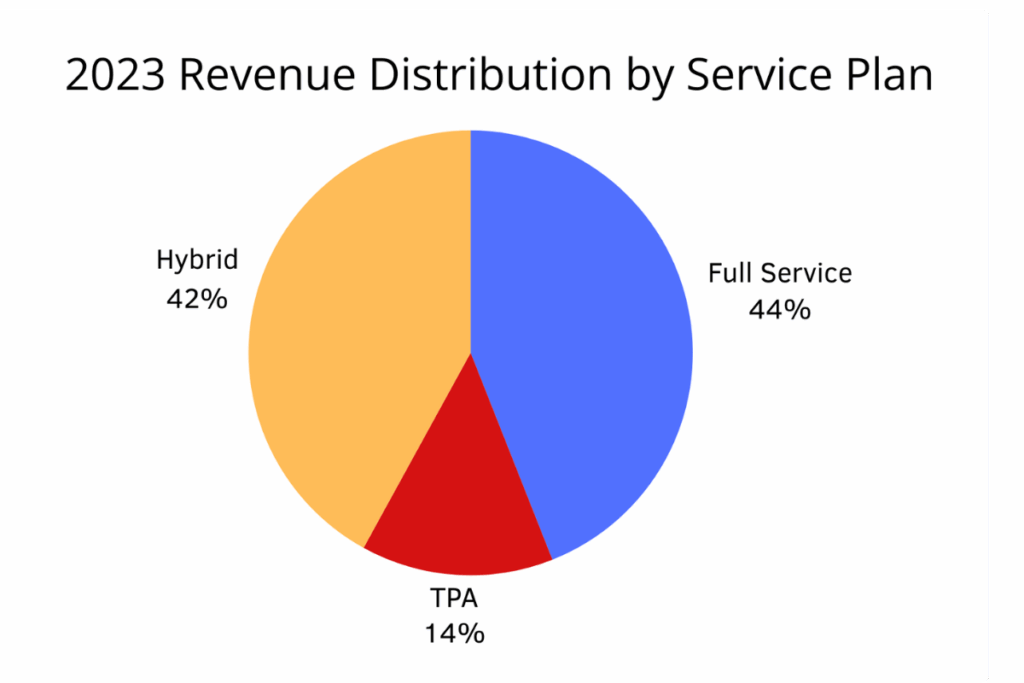
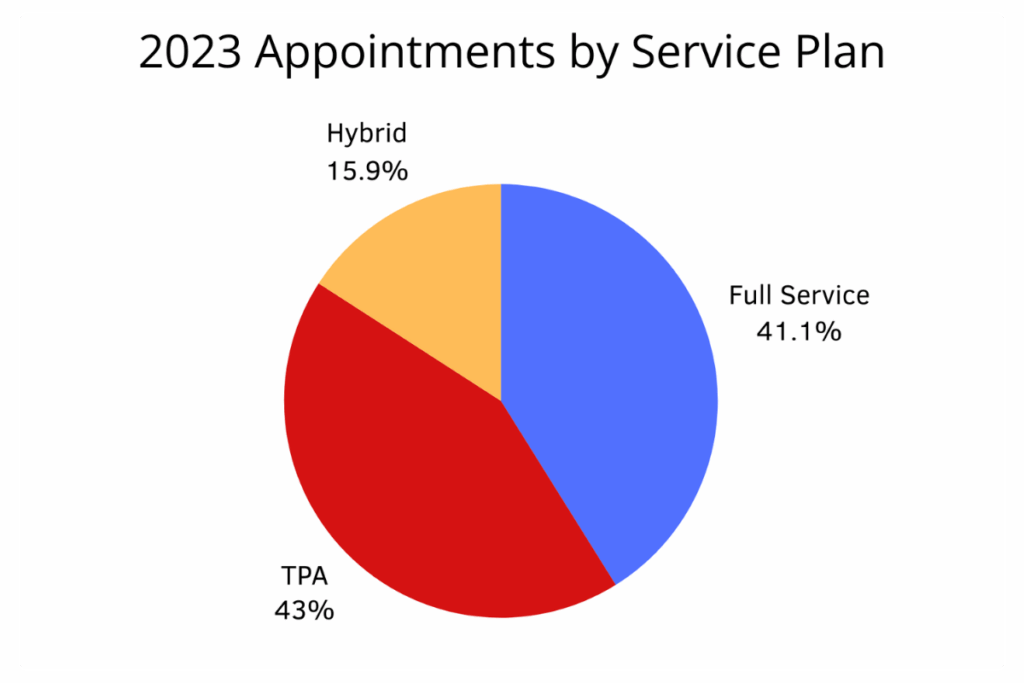
Below is a real world example from an Audiology practice in south Florida. In the beginning, they contracted with every TPA to get patients in the door. Five years later, the clinic revenue was not aligning with how full the schedule was.
Insight:
TPA fitting fee revenue accounted for only ~14% of total revenue but consumed ~43% of the clinical schedule.
📍Why this required a well-configured OMS
- Accurate payer tagging (TPA vs private pay vs hybrid) at the appointment and transaction level
- Consistent appointment type + duration tracking
- Reliable linkage between revenue source and utilization metrics
📍Why this insight matters
- This is not a “revenue” insight alone — it is a capacity and opportunity cost insight
- It quantifies exactly how TPAs dilute profitability by consuming disproportionate provider time
- It directly supported the strategic decision to discontinue TPA contracts, which then:
- Reduced TPA devices dispensed
- Reduced TPA time on the schedule
- Created more revenue generating hours
- Increased clinic efficiency and provider satisfaction
Clean Data = Confident Decisions
With a well-structured OMS, reports stop being static numbers and start becoming actionable strategy.
You can pivot from “What happened?” to “Why did it happen?” — and ultimately to “How can we improve it?”
Instead of relying on outside benchmarks or assumptions, your decisions come from your own clinic’s reality:
- Should we add another provider?
- Which payers are worth renewing?
- Is our recall process driving return appointments?
- Where are we leaving money on the table?
When your data foundation is clean, those answers are immediate — and accurate.
Future-Proofing Through Structure
The benefits don’t end with analytics.
Proper setup ensures smoother growth as your practice expands:
- Adding locations or providers without duplicating errors.
- Implementing automation tools with reliable data flow.
- Adjusting service plan options to support patient preference.
Think of your OMS like the wiring inside a building: once installed correctly, you can power anything you want. But if it’s tangled or inconsistent, every new feature risks short-circuiting the system.
The Bottom Line
Setting up your OMS correctly from day one isn’t just an IT task — it’s a business strategy.
When your system reflects your workflow, your payers, and your goals, you gain the clarity to make smart, data-driven decisions that protect your revenue and enhance patient care.
It’s the quiet work behind every thriving hearing practice — and the reason some clinics scale effortlessly while others stay stuck in reaction mode.
Need a Hand Getting It Right?
HearShield Pro partners with industry experts who specialize in helping hearing practices structure their OMS data for accuracy, compliance, and insight.
Whether you’re launching a new clinic or refining your current workflow, our experts can help you identify blind spots and build a system that truly supports your goals — no matter which platform you use.
FIX MY OMS!

3 Mistakes to Avoid When Switching Audiology OMS Platforms
Switching audiology software isn’t the hard part—getting it to actually work is. Learn the 3 most common mistakes practices make when transitioning OMS platforms and how to avoid workflow breakdowns, billing issues, and missed revenue.

The Script Just Flipped: Amplifon Buys Resound
Facebook Twitter LinkedIn For more than a decade, the hearing industry has been moving in one direction: manufacturers acquiring distribution networks. By purchasing retail chains,

Can Audiology OMS Setup Eliminate TPAs?
Is your Audiology Office Management System (OMS) holding your practice back? The right setup can transform data into actionable insights, empowering strategic decisions that enhance patient care and protect revenue. A well-structured OMS can uncover opportunities, streamline operations, and improve efficiency. Don’t let a generic setup dictate your clinic’s future. Learn to build an OMS that aligns with your goals, ensuring success in a competitive landscape.